
Tree trimming involves more than choosing a convenient day and cutting back overgrown branches. Proper timing can influence how quickly a tree recovers, how much stress it experiences, and whether the work improves its long-term structure.
Trees in Pinellas Park, FL grow under warm temperatures, high humidity, heavy summer rainfall, tropical storms, and occasional dry periods. These conditions differ from the seasonal patterns found in colder regions, so homeowners should avoid following generic trimming schedules.
The best time depends on the tree species, its health, the reason for trimming, and the condition of the surrounding property. Professional tree services can evaluate these factors and recommend a schedule that protects both the tree and nearby structures.
Late Winter and Early Spring Often Work Well
Late winter and early spring often provide a practical window for routine tree trimming. During this period, many trees experience slower growth, which makes their branch structure easier to inspect.
A tree professional can identify dead limbs, crossing branches, crowded growth, and weak connections more clearly when dense foliage does not hide them. The tree can then respond to pruning as active growth increases.
However, Florida trees do not all follow the same dormant cycle. Some species continue growing throughout most of the year, while others react differently to changes in temperature and rainfall.
Homeowners in Pinellas Park, FL should consider late winter and early spring as a useful starting point, not a strict rule. Tree services may recommend another season for palms, flowering trees, tropical species, or trees recovering from damage.
Schedule Preventive Trimming Before Hurricane Season
Hurricane preparation gives homeowners one of the strongest reasons to plan tree trimming early. Strong winds and heavy rain can expose weak branches, split trunks, dense canopies, and unstable root systems.
Schedule an inspection before severe weather enters the forecast. Waiting until a storm approaches may leave little time to find an available company or make careful decisions.
Preventive trimming should target dead, cracked, poorly attached, and excessively heavy branches. Selective pruning can improve the canopy’s structure and reduce avoidable hazards around roofs, driveways, fences, vehicles, and pool enclosures.
Professional tree services should not strip the canopy or remove large amounts of healthy foliage. Trees need their leaves to produce energy and recover from stress. Thoughtful pruning can improve safety without weakening the tree.
Address Dead or Dangerous Limbs Immediately
The ideal season matters less when a branch creates an immediate hazard. Dead limbs, hanging branches, split sections, and limbs resting against a roof require prompt attention.
A damaged branch can fall during calm weather, especially after wind or rain weakens its connection. Delaying the work may place people, vehicles, buildings, and landscaping at risk.
Homeowners should never pull down a suspended branch or attempt to cut a limb near a utility line. These situations require trained crews, controlled equipment, and a clear safety plan.
In Pinellas Park, FL, regular inspections after thunderstorms can help homeowners spot new cracks, hanging limbs, or changes in the canopy. Emergency tree services can secure the area, remove the hazard, and determine whether the rest of the tree remains stable.
Consider the Tree Species Before Trimming
Different species follow different growth patterns, so they do not all benefit from the same trimming schedule. Some trees respond well to pruning before a strong growth period, while flowering varieties may need attention after they finish blooming.
Pruning a flowering tree at the wrong time may reduce the next round of flowers. Removing too much foliage during hot or wet conditions can also place unnecessary stress on certain ornamental trees.
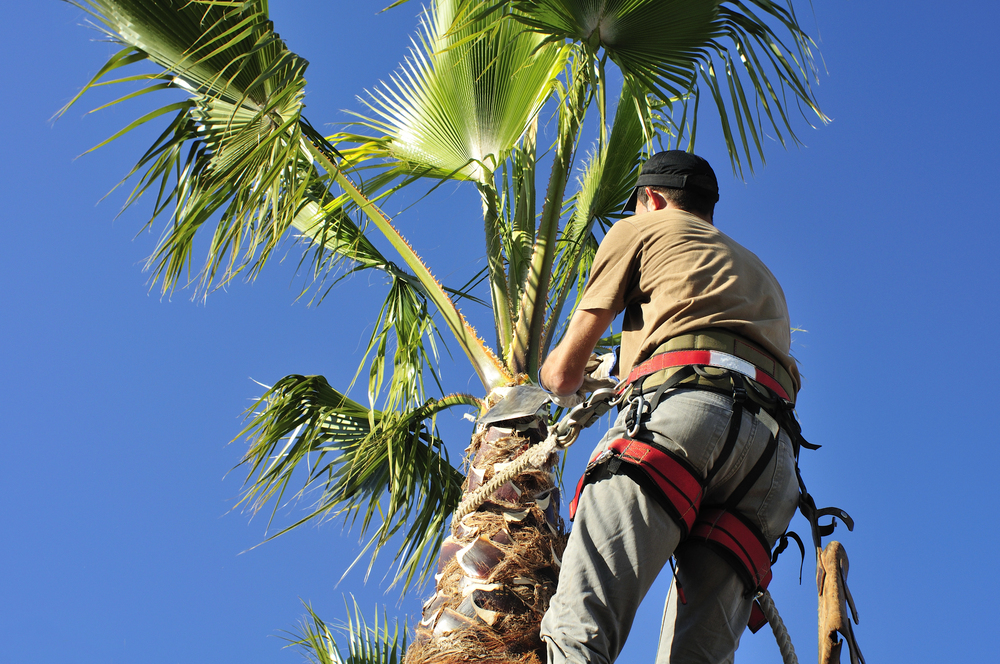
Palms require a different approach. Palm trimming usually focuses on dead or severely declining fronds, hanging material, and seed pods. Crews should preserve healthy green fronds because palms rely on them for energy.
Qualified tree services identify the species before recommending a schedule or making cuts. This step helps the crew protect the tree’s natural shape and avoid unnecessary damage.
Give Young Trees Early Structural Care
Young trees benefit from light, carefully planned pruning. Early care can improve branch spacing, encourage a stronger central structure, and correct competing stems before they become large defects.
A narrow connection between two young branches may seem minor, but it can split as the tree gains height and weight. Crossing limbs can also rub together and create wounds that invite decay or pests.
Homeowners in Pinellas Park, FL can often avoid costly corrections by addressing these issues while branches remain small. Removing a small limb causes less stress than cutting away a mature branch years later.
Tree services can also evaluate stakes, mulch placement, watering habits, and available growing space. These details help young trees establish healthy roots and develop a stable form.
Limit Heavy Pruning During Extreme Heat or Stress
A stressed tree may struggle to recover from major pruning. Drought, flooding, root damage, disease, pest activity, and nearby construction can reduce its ability to tolerate additional changes.
Removing too much live foliage limits the tree’s energy production. Heavy pruning can also expose previously shaded bark and branches to intense sunlight, increasing the risk of heat damage.
This does not mean homeowners must avoid every type of trimming during the summer. Crews can still remove hazardous limbs, create necessary clearance, and complete minor corrective work when conditions allow.
Experienced tree services assess the tree’s health before deciding how much growth to remove. They may recommend limited work now and additional pruning later, after the tree regains strength.
Trim Trees With a Specific Goal
A calendar alone should not determine when a tree needs trimming. Each cut should serve a clear purpose, such as removing deadwood, improving structure, creating clearance, or reducing contact with a building.
Fast-growing trees near roofs, sidewalks, and driveways may need more frequent attention than slower-growing trees in open areas. Young trees may benefit from occasional structural pruning, while mature trees may only require periodic inspections.
Reliable tree services explain which branches they plan to remove and how the work will help. They avoid topping, random cutting, and excessive canopy thinning because those practices can encourage weak growth and long-term decay.
Homeowners can support this process by monitoring branches near gutters, roofs, fences, utility lines, and neighboring properties.
Plan Tree Care Around Safety and Long-Term Health
There is no single perfect date for every tree. The best time to trim trees in Pinellas Park, FL depends on the species, condition, weather, location, and purpose of the work.
Routine pruning is often easiest to plan before hurricane season or during a period of moderate weather. Dead or hazardous limbs, however, should be addressed as soon as they are discovered.
To learn how illness and decline can affect trimming decisions, continue with Common Tree Diseases Found in Pinellas County Landscapes.
For help evaluating growth, scheduling pruning, or addressing unsafe limbs, contact Tree Removal Salon to explore professional tree services near Pinellas Park, FL, tailored to your property’s needs.