
A tree can look strong from a distance while serious problems develop inside the trunk, branches, or roots. Some issues build slowly over time. Others appear after a storm, heavy wind, or sudden impact. Either way, knowing what to watch for can help you act before the tree becomes a safety risk.
Tree removal is not always the first answer. Many trees can recover with trimming, treatment, or better care. However, when a tree becomes unstable, severely damaged, diseased, or too close to important structures, removal may be the safest option.
Here are seven signs that a tree may need professional attention and possible tree removal.
1. The Tree Has Large Dead Branches
Dead branches are one of the most common warning signs. A few small dead twigs may not mean the entire tree is failing, but large dead limbs can become dangerous. They may break during wind, rain, or even on a calm day.
Look for branches with no leaves during the growing season, brittle wood, peeling bark, or limbs that appear dry compared to the rest of the tree. When dead branches appear throughout the canopy, the tree may have a larger health issue.
A professional inspection can help determine whether trimming is enough or if tree removal should be considered.
2. The Trunk Has Deep Cracks or Hollow Areas
The trunk supports the entire tree, so visible damage should never be ignored. Deep vertical cracks, large cavities, soft wood, and hollow areas can weaken the structure. A tree with serious trunk damage may no longer support its own weight safely.
Some trees live for years with hollow sections, but that does not always mean they are safe. The location and size of the hollow area matter. If the damage affects a large part of the trunk, the tree may be more likely to split or fall.
Tree removal may become necessary when trunk damage creates a clear safety concern near a home, driveway, sidewalk, or outdoor living area.
3. The Tree Is Leaning More Than Before
Not every leaning tree is dangerous. Some trees naturally grow at an angle and remain stable for decades. The concern comes when the lean appears suddenly or becomes more noticeable over time.
A new lean can mean the root system has shifted, weakened, or started pulling out of the ground. You may notice raised soil near the base, exposed roots, or cracks in the ground around the tree.
A leaning tree should be inspected quickly, especially after heavy rain or strong wind. If the roots no longer hold the tree securely, tree removal may be the safest choice.
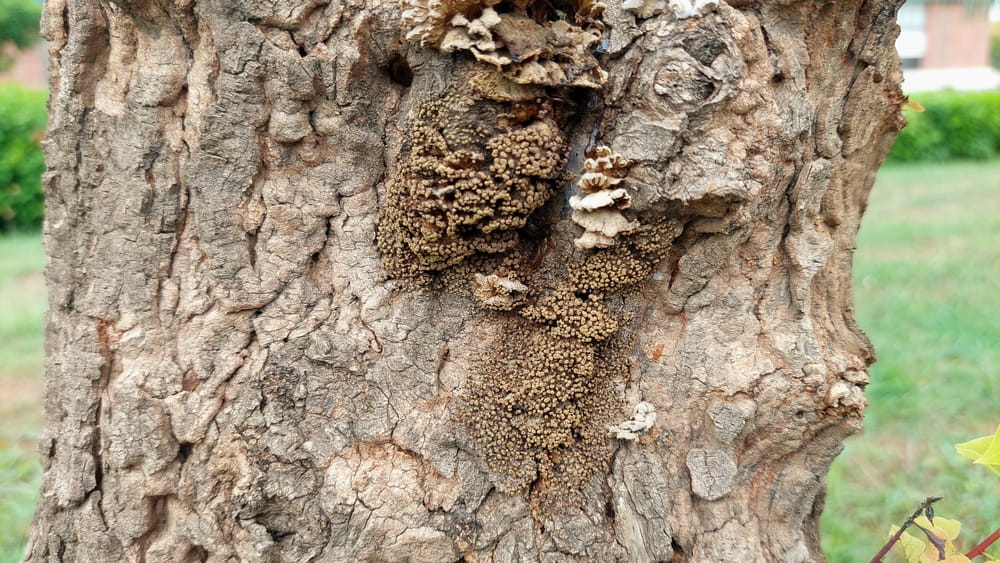
4. You Notice Fungus or Decay Near the Base
Mushrooms, fungal growth, soft spots, and rotting wood near the base can point to decay. The base of the tree plays a major role in stability. When that area weakens, the tree may become less secure even if the upper branches still look full.
Fungus does not always mean immediate danger, but it should raise concern. It may indicate that decay is spreading inside the trunk or roots. Since internal decay is not always visible, a professional can evaluate the tree and explain the level of risk.
When decay affects the main structure, tree removal may help prevent future property damage.
5. The Roots Are Damaged or Exposed
Roots anchor the tree and help it absorb water and nutrients. When roots suffer damage, the entire tree can decline. Construction, digging, drainage changes, soil erosion, pests, and disease can all affect root health.
Exposed roots may also signal erosion or shifting soil. While some visible roots are normal, sudden changes around the base of the tree can be a problem. If roots are lifting, breaking, or showing signs of decay, the tree may not be stable.
Root problems are serious because they often stay hidden until the tree begins to lean, drop limbs, or decline. In severe cases, tree removal may be the only safe solution.
6. The Tree Shows Signs of Disease or Pest Damage
Diseases and pests can weaken a tree from the inside out. Warning signs may include unusual leaf loss, discolored leaves, holes in the bark, sawdust near the trunk, peeling bark, dead sections, or branches that decline one at a time.
Some issues can be treated if caught early. Others spread quickly or cause permanent damage. A diseased tree can also affect nearby trees, especially when pests or fungal problems move through the landscape.
A tree service professional can help identify whether the tree can recover. When the damage is advanced, tree removal may protect the rest of the yard.
7. The Tree Was Severely Damaged by a Storm
Storm damage can change a tree’s condition overnight. Broken limbs, split trunks, hanging branches, and sudden leaning all need attention. Even if the tree remains standing, it may have structural damage that makes it unsafe.
Do not assume a storm-damaged tree is fine just because it did not fall. Cracks, loose limbs, and root movement can create hidden risks. The next strong wind or rain may make the damage worse.
If a storm leaves a tree unstable or heavily damaged, tree removal may prevent a more serious emergency later.
What to Do If You Notice These Signs
When you see one or more of these warning signs, avoid guessing. A tree that looks manageable from the ground may have deeper structural issues. It is always better to schedule an inspection before cutting branches or attempting removal yourself.
A professional can determine whether trimming, treatment, or tree removal makes the most sense. This helps you avoid removing a tree too soon while also reducing the risk of waiting too long.
The next blog in this silo will explain how prevention plays a role in long-term tree health: How Regular Tree Care Can Help Prevent Tree Removal Later.
Protect Your Property With the Right Help
Problem trees should not be ignored. Dead limbs, leaning trunks, root damage, disease, and storm damage can all create safety concerns if they continue to worsen.
If you are unsure whether a tree should stay or go, Lawn and Tree Salon can help you make a confident decision. Their team provides professional tree removal services for homeowners who want to protect their property, improve safety, and handle tree concerns the right way.