
Trees bring shade, beauty, privacy, and value to a property. A healthy tree can make a yard feel more complete and comfortable. But not every tree can stay in place forever. When a tree becomes unstable, diseased, badly damaged, or too close to important structures, keeping it may create more risk than benefit.
That is when tree removal becomes important. It is not always the first solution, and homeowners should not treat it as a casual decision. Trimming, pruning, or treatment can often help preserve a tree. However, when a tree threatens people, buildings, driveways, sidewalks, utility lines, or nearby landscaping, removal may be the safest and most practical option.
Understanding when tree removal is necessary can help homeowners make better decisions before a small concern turns into an emergency.
What Is Tree Removal?
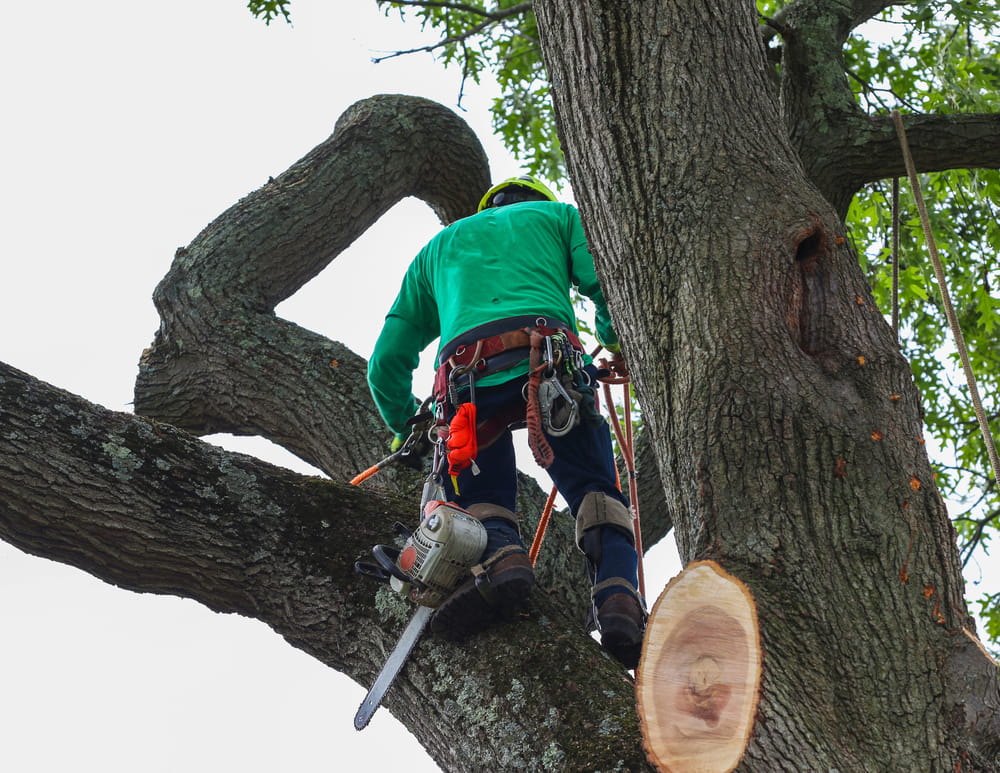
Tree removal is the process of safely cutting down and removing a tree from a property. Depending on the size, location, and condition of the tree, the process may involve climbing, rigging, controlled cutting, equipment use, hauling, and cleanup.
Some removals are simple, especially when the tree is small and growing in an open area. Others require careful planning. A tree growing near a home, fence, pool, power line, or neighboring property may need to come down in sections. Professionals often inspect the tree first, look at the surrounding area, and decide the safest approach before any cutting begins.
Tree removal is different from trimming. Trimming focuses on shaping the tree, removing branches, and supporting healthy growth. Removal means the entire tree must come down because it is no longer safe, healthy, or practical to keep.
When Is Tree Removal Necessary?
Tree removal becomes necessary when a tree creates a clear safety concern or no longer has a strong chance of recovery. One common reason is severe disease. Some tree diseases spread through the trunk, branches, or roots until the structure becomes weak. A diseased tree may drop limbs, lean unexpectedly, or decline over time.
Storm damage can also make removal necessary. Heavy wind, lightning, or hurricanes can split trunks, break large limbs, or weaken the root system. Even if a tree is still standing after a storm, it may not be stable. Cracks, hanging branches, and sudden leaning should always be taken seriously.
Location can also make tree removal necessary. A tree growing too close to a house, garage, driveway, septic system, or underground line may eventually cause damage. Roots can lift pavement, interfere with drainage, or put pressure on nearby structures. Overgrown branches can scrape the roof, clog gutters, or create access points for pests.
In some cases, a tree simply outgrows the space. When it no longer fits safely in the landscape, removal may be the best long-term choice.
Warning Signs Homeowners Should Watch For
A tree does not always look dangerous at first glance. Some problems develop slowly and stay hidden until the damage becomes serious. Homeowners should pay attention to changes in the tree and the area around it.
Large dead branches are one warning sign. If branches no longer grow leaves or bark begins falling away, the tree may be declining. A hollow trunk, deep cracks, fungal growth, or soft wood can also suggest internal decay.
Leaning is another concern, especially when it appears suddenly. Some trees naturally grow at an angle, but a new lean may mean the roots have shifted or weakened. Soil lifting near the base can also point to instability.
Pests may also signal trouble. Insects, holes, sawdust, or unusual bark damage can indicate that the tree is stressed or decaying. While not every pest problem requires tree removal, it should be inspected before it gets worse.
Why Professional Assessment Matters
Homeowners may struggle to know whether they should remove or save a tree. A tree may look healthy from one side while decay, root damage, or structural weakness hides inside. A professional tree service can evaluate the condition of the tree, the risks around it, and the safest solution.
This matters because unnecessary removal can take away valuable shade and curb appeal. At the same time, waiting too long can lead to property damage or injury. A proper inspection helps homeowners avoid guessing.
Professionals also understand how to handle trees in tight or risky spaces. Cutting a tree without the right experience can cause branches or trunk sections to fall in the wrong direction. When the tree is large, leaning, damaged, or close to structures, professional help is the safer option.
What Happens If You Wait Too Long?
Delaying tree removal can make the situation more expensive and more dangerous. A weak tree may drop branches during high winds or heavy rain. When the trunk or roots continue to decay, the entire tree may fall without much warning.
Waiting can also increase the complexity of the job. A tree that could have been removed in a controlled way may become an emergency removal after a storm. Emergency work often requires faster response, more caution, and additional cleanup.
A damaged tree can also affect nearby trees and plants. Disease and pests may spread, creating a larger issue across the property. Acting early gives homeowners more control and helps prevent avoidable damage.
Tree Removal Should Be Planned, Not Rushed
Unless a tree creates an immediate hazard, removal should start with an inspection. The tree’s health, location, size, and surroundings all matter. A careful plan helps protect the property and makes the process smoother from start to finish.
Homeowners should also think about what happens after removal. The remaining stump may need grinding, the area may need cleanup, and the yard may need new landscaping. Planning ahead makes it easier to restore the space once the tree is gone.
When a tree becomes unsafe or no longer belongs in the landscape, Lawn and Tree Salon can help homeowners make the right call. Their team provides professional tree removal services designed to protect your property and handle the job safely from inspection to cleanup.