
Tree removal is sometimes the safest option when a tree becomes unstable, diseased, or badly damaged. However, many tree problems do not happen overnight. They often develop slowly through weak branches, poor structure, pests, disease, storm stress, or neglected growth.
Regular tree care helps homeowners catch those issues early. It gives trees a better chance to stay strong, healthy, and safe. While not every tree can be saved, consistent maintenance can reduce the need for tree removal later and help protect the property around it.
A healthy tree is easier to manage than a risky one. With the right care, homeowners can often avoid major problems before they turn into expensive or dangerous situations.
Tree Care Helps Spot Problems Early
One of the biggest benefits of regular tree care is early detection. A tree may look fine from a distance, but small warning signs can show up in the branches, bark, trunk, or roots.
Dead limbs, cracks, fungus, pest activity, thinning leaves, and leaning can all point to deeper problems. When these signs get noticed early, a tree care professional may be able to recommend trimming, treatment, cabling, or other corrective steps.
Waiting too long can limit the options. A minor issue may become severe enough that tree removal becomes the only safe choice. Routine inspections help homeowners stay ahead of that risk.
Healthy Branches Reduce Safety Hazards
Overgrown, weak, or damaged branches can put stress on a tree. They may also create hazards near roofs, driveways, sidewalks, fences, and outdoor living spaces.
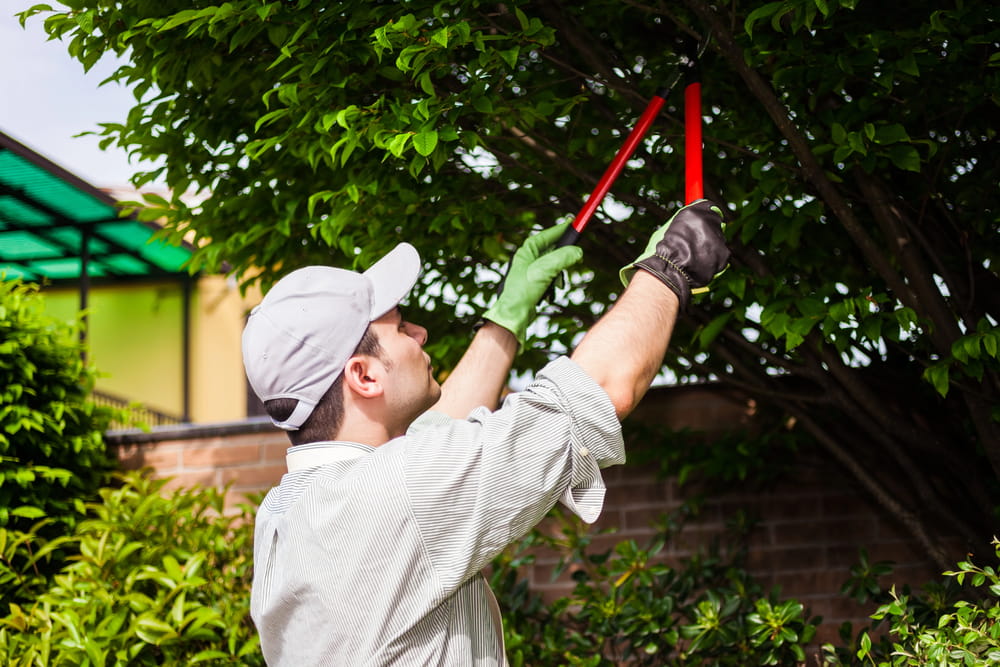
Regular trimming removes dead or unsafe limbs before they fall. It also improves the shape and balance of the canopy. When branches grow too heavily on one side, the tree may become less stable during storms or high winds.
Proper pruning does more than improve appearance. It supports healthier growth and reduces the chance of broken limbs. By keeping the canopy in better condition, homeowners may lower the likelihood of emergency tree removal after bad weather.
Strong Structure Starts With Proper Maintenance
Young trees need guidance as they grow. Without proper pruning, they may develop weak branch attachments, crossing limbs, or poor shape. These problems can become harder to correct as the tree matures.
Regular care helps create a stronger structure over time. A well-shaped tree can handle wind, rain, and seasonal growth more effectively than one with crowded or poorly attached branches.
Mature trees also benefit from maintenance. Removing problem limbs, checking for decay, and improving airflow through the canopy can help reduce strain. When a tree grows with better structure, it has a stronger chance of staying in place safely instead of needing tree removal later.
Tree Care Can Help Manage Disease and Pests
Disease and pests can weaken a tree quickly when no one addresses them. Some problems start with small signs, such as leaf discoloration, bark damage, holes, sawdust, or branch dieback. Others spread through the roots or trunk before the damage becomes obvious.
Regular tree care helps identify these issues before they move too far. Early treatment may slow or stop the problem, depending on the type of disease or pest involved.
This matters because one unhealthy tree can sometimes affect nearby trees. Removing infected branches, improving tree health, and addressing pests early can protect the rest of the landscape. When damage spreads too deeply, tree removal may become necessary to prevent greater risk.
Root Health Matters More Than Many Homeowners Realize
Roots keep a tree stable and provide the water and nutrients it needs to survive. Since roots are mostly underground, many homeowners do not notice problems until the tree starts declining.
Soil compaction, construction, drainage issues, erosion, and root damage can all affect tree health. Heavy equipment, digging, or repeated foot traffic around the base can also cause stress.
Good tree care includes paying attention to the area around the tree. Mulching properly, avoiding soil buildup against the trunk, managing water, and protecting the root zone can all help. A tree with a healthier root system has a better chance of staying strong and avoiding tree removal.
Storm Preparation Can Make a Difference
No tree is completely storm-proof. Strong winds, heavy rain, and lightning can damage even healthy trees. Still, regular care can help reduce storm-related risks.
Trimming dead branches, reducing heavy overgrowth, and correcting weak limbs may help a tree handle severe weather more safely. A professional can also identify trees that may already have cracks, decay, or root problems before storm season arrives.
This preparation gives homeowners more control. It is much better to address a risky limb or unstable tree before a storm than to deal with fallen branches, property damage, or emergency tree removal afterward.
Regular Care Protects More Than the Tree
Tree care is not only about keeping trees alive. It also protects the home, yard, and people who use the property.
Branches that hang over a roof can damage shingles, fill gutters, or scrape siding. Roots may affect sidewalks, driveways, or drainage areas. Weak trees can threaten vehicles, fences, and outdoor spaces.
Routine maintenance helps homeowners understand which trees are healthy, which ones need attention, and which ones may become a concern. That knowledge makes it easier to plan instead of reacting after damage happens.
When Removal Still Becomes the Right Choice
Even with good care, some trees reach a point where saving them is not practical. Severe disease, major root damage, advanced decay, or heavy storm damage may leave removal as the safest option.
The goal of regular tree care is not to avoid tree removal at all costs. The goal is to make informed decisions. Sometimes care can preserve a tree. Other times, an inspection confirms that removal is the responsible choice.
The final blog in this silo will help homeowners understand pricing considerations: What Factors Affect the Cost of Tree Removal?
Keep Your Trees Safer With Professional Support
Regular maintenance can extend the life of your trees, reduce hazards, and help prevent avoidable problems. It also gives you a clearer picture of your property’s long-term tree health.
If a tree already looks unsafe or has signs of decline, Lawn and Tree Salon can inspect the situation and recommend the right next step. Their team provides professional tree removal services when a tree can no longer stay safely on your property.