

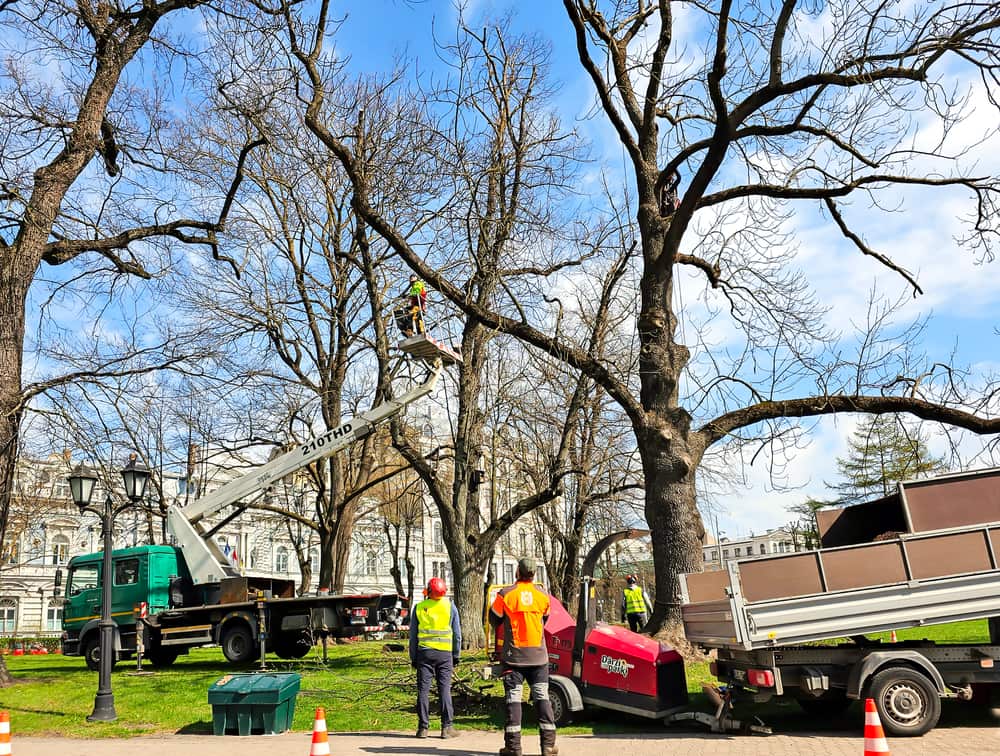
Tree removal cost can vary from one property to another. Some trees are simple to access and remove. Others require more planning, equipment, time, and safety precautions. That is why two trees that look similar in size may have very different pricing once a professional inspects the property.
For homeowners, understanding the main cost factors can make the process less confusing. A quote is not based only on cutting down a tree. It also reflects the tree’s size, condition, location, risk level, cleanup needs, and the work required to complete the job safely.
Before scheduling tree removal, it helps to know what professionals look at when building an estimate.
Tree Size Is One of the Biggest Factors
Size plays a major role in cost. Taller trees usually take more time, labor, and equipment to remove. A small tree in an open yard may be straightforward. A large tree with heavy limbs, a thick trunk, and a wide canopy needs a more careful approach.
Height is not the only concern. Trunk diameter matters too. A tree with a thick trunk creates more wood to cut, move, and haul away. Large branches can also add time because crews may need to remove them in sections.
Bigger trees often require more planning, especially when they stand near a house, fence, driveway, or neighboring property.
Location Can Make the Job Easier or Harder
Where the tree sits on the property can affect the estimate. A tree in an open area with plenty of room around it is usually easier to remove than one in a tight space.
A tree near a roof, pool, shed, garage, power line, or fence requires extra caution. Crews may need to lower branches carefully instead of letting them fall. That process takes more time but helps protect the surrounding property.
Access also matters. If the equipment can reach the tree easily, the job may move faster. If the tree is in a backyard with narrow gates, slopes, landscaping, or limited space, the crew may need a different strategy.
Tree Condition Affects Safety and Time
The condition of the tree can also influence the tree removal cost. A healthy tree may be easier to climb, cut, and control. A dead, diseased, hollow, or storm-damaged tree can be less predictable.
Weak wood may crack or break unexpectedly. A damaged trunk may not support climbing. Dead limbs may fall during the process. These risks often require extra safety steps, specialized equipment, or more controlled cutting.
A tree that looks simple from the ground may reveal more issues during inspection. That is why professionals check the trunk, canopy, roots, lean, and surrounding area before giving a final recommendation.
Leaning Trees May Require Extra Planning
A leaning tree can increase the complexity of the job. Some trees naturally grow at an angle and remain stable. Others lean because of root damage, soil movement, decay, or storm impact.
When a tree leans toward a home, vehicle, fence, or utility line, the crew must carefully control each step. They may need to remove branches first, reduce weight, use ropes, or bring in equipment to guide the tree safely.
Tree removal in these situations is not only about cutting. It is about managing direction, weight, and risk.
Cleanup and Hauling Can Change the Price
Homeowners should ask what the quote includes. Some estimates cover cutting down the tree only. Others include branch removal, log hauling, debris cleanup, and raking the work area.
The amount of cleanup can affect the final price. A larger tree creates more debris. Heavy logs may take more time to move. If the homeowner wants all wood removed from the property, that can add labor and hauling needs.
Some homeowners choose to keep firewood or mulch. Others prefer a complete cleanup. Knowing what you want ahead of time can help the company provide a clearer estimate.
Stump Grinding May Be a Separate Service
Tree removal does not always include stump grinding. After the tree comes down, the stump may remain unless the homeowner requests removal or grinding.
Stump grinding adds cost because it requires different equipment. Still, many homeowners choose it because stumps can get in the way of mowing, landscaping, planting, or future yard projects. Stumps may also attract pests or create trip hazards.
When comparing estimates, ask whether stump grinding is included, optional, or priced separately. This helps prevent surprises after the main work is complete.
Emergency Removal Usually Costs More
Emergency jobs often cost more than planned work. If a tree falls on a structure, blocks a driveway, hangs over a roof, or creates an immediate safety concern, the job may require fast response and extra caution.
Storm-damaged trees can also be unstable. Broken limbs, split trunks, and shifting roots make the work more dangerous. Crews may need to secure the area, remove sections carefully, and work around damage that has already happened.
When possible, it is better to schedule tree removal before a tree becomes an emergency. Early action can reduce risk and may help avoid higher costs later.
Why the Lowest Quote Is Not Always the Best Choice
It can be tempting to choose the lowest estimate, but price should not be the only factor. Tree work involves safety, property protection, equipment, insurance, and experience. A low quote may not include cleanup, hauling, stump grinding, or the precautions needed for a difficult job.
A reliable company should explain what the estimate includes and why the job is priced that way. Clear communication matters. Homeowners should feel comfortable asking about the process, timeline, cleanup, and any added services.
The first blog in this silo explains when removal may be necessary: What Is Tree Removal and When Is It Necessary?
Get a Clear Tree Removal Estimate
Tree removal cost depends on several details, including size, location, condition, access, cleanup, and safety concerns. A professional inspection gives homeowners a clearer understanding of the work involved and the safest way to handle it.
If you are concerned about a tree on your property, Lawn and Tree Salon can inspect the situation and explain your options. Their team provides professional tree removal services for homeowners who want safe work, clear guidance, and dependable cleanup.