
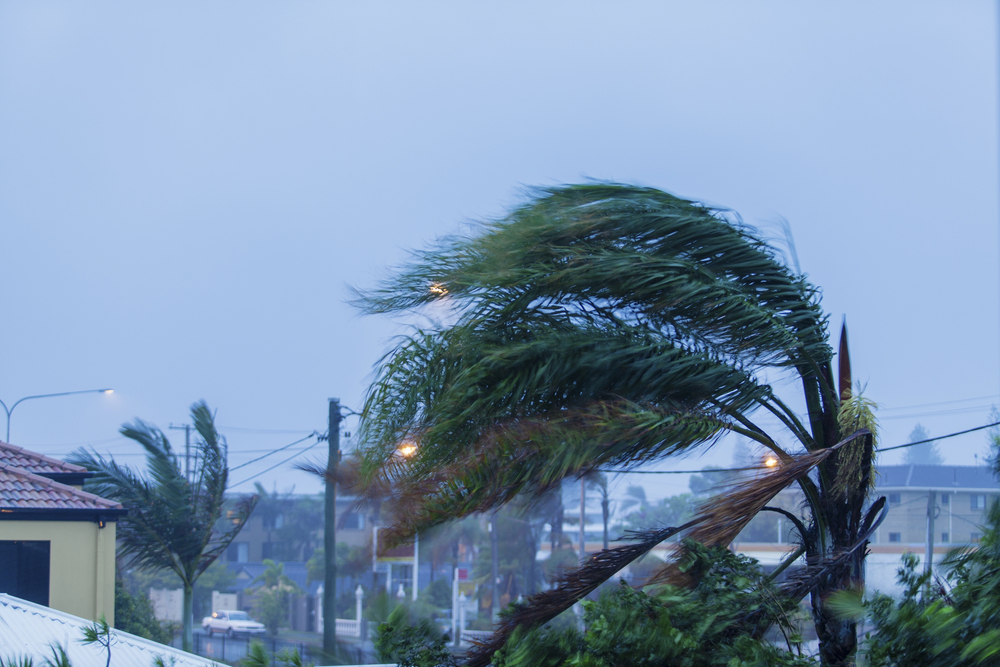
Hurricane season can bring strong winds, heavy rain, saturated soil, and flying debris to Pinellas County. While homeowners often focus on shutters, roofs, and outdoor furniture, trees also deserve careful attention before severe weather arrives.
A healthy tree with balanced growth is usually better prepared to withstand storms than one with dead limbs, structural defects, or an overcrowded canopy. However, preparation does not mean removing every branch or cutting the tree back aggressively. The goal is to identify hazards, improve structure, and reduce preventable risks without weakening the tree.
For homeowners in Pinellas Park, FL, scheduling professional tree services before a storm is approaching can make the property safer and allow enough time for thoughtful decisions.
Begin With a Professional Tree Inspection
The first step is evaluating the condition of each tree. Some problems are easy to notice, while others may be hidden high in the canopy or beneath the soil.
Look for dead limbs, hanging branches, cracks in the trunk, cavities, peeling bark, fungal growth, exposed roots, and sudden leaning. Branches that cross or rub against one another may also become weak over time. Trees with multiple trunks should be checked for narrow connections that could split under pressure.
Professional tree services can identify structural concerns that may not be visible from the ground. An inspection is especially valuable for large trees growing near homes, driveways, power lines, fences, pools, and neighboring properties.
In Pinellas Park, FL, it is best to schedule this evaluation well before severe weather enters the forecast. Tree companies often receive a sudden increase in emergency requests when a hurricane is approaching.
Remove Dead and Damaged Branches
Dead branches are more likely to break when exposed to strong winds. Even a relatively small limb can damage a roof, vehicle, screen enclosure, or window if it falls from a significant height.
Damaged branches may also remain partially attached after previous storms. These limbs can look stable but may separate unexpectedly. Removing them before hurricane season reduces the amount of loose material in the canopy.
Tree services should focus on branches that are dead, cracked, decayed, poorly attached, or already hanging. Healthy growth should not be removed without a clear reason. Excessive cutting can stress the tree and create new weaknesses rather than improve safety.
Any limb touching or hanging near an electrical line requires special care. Homeowners should never attempt to cut those branches themselves.
Improve Canopy Structure Without Over-Pruning
Selective pruning can improve how a tree responds to wind. Removing weak, crowded, or poorly positioned branches may reduce unnecessary weight and allow the canopy to develop a more balanced structure.
However, thinning a canopy does not mean stripping away large amounts of foliage. Trees need leaves to produce energy and recover from stress. Removing too much live growth can expose previously shaded branches to intense sunlight and encourage weak shoots.
Some homeowners request extreme pruning because they believe a smaller canopy will automatically be safer. In reality, improper cuts can weaken branch connections, increase decay, and leave the tree more vulnerable during future storms.
Experienced tree services understand how to balance risk reduction with tree health. The work should be based on the species, condition, size, and natural growth pattern of each tree.
Avoid Topping Trees Before a Storm
Tree topping involves cutting large branches back to stubs or reducing the upper canopy without following proper pruning practices. Although the tree may appear smaller afterward, topping can create long-term structural problems.
Large cuts are slower to seal and may allow decay to enter the wood. The tree often responds by producing clusters of fast-growing shoots near the cuts. These new branches may be weakly attached and more likely to break later.
Topping can also remove too much foliage at once, placing the tree under significant stress. This is especially concerning when combined with Florida heat, drought periods, heavy rainfall, or storm damage.
Reputable tree services will recommend targeted pruning rather than severe, unnecessary cutting. A properly maintained canopy should still resemble the natural form of the tree.
Check Roots, Soil, and Drainage Conditions
Strong roots are essential to tree stability. During periods of heavy rain, the soil can become saturated and provide less support. Trees with damaged or restricted root systems may be more likely to lean or uproot.
Check for soil lifting around the base, exposed roots, new cracks in the ground, or a sudden change in the tree’s angle. Construction, trenching, driveway installation, and repeated equipment traffic can also damage roots.
Drainage problems deserve attention before hurricane season. Water that remains around a tree for long periods may reduce oxygen in the soil and weaken the root system. Adding large amounts of soil around the trunk is not a safe solution and can create additional health problems.
A professional assessment can help determine whether root damage, erosion, or poor drainage is affecting a tree in Pinellas Park, FL.
Clear the Area Around Trees
Preparing the surrounding property is another important step. Loose decorations, planters, tools, furniture, and landscape materials can become dangerous during strong winds.
Move portable items indoors or secure them appropriately. Keep vehicles away from trees with questionable limbs whenever possible. Check whether branches are resting on roofs, gutters, fences, sheds, or pool screens.
Tree services may also recommend creating clearance around structures. This does not always require removing major limbs. Careful trimming can often reduce contact with roofs, improve access, and limit abrasion during windy conditions.
Do not stack debris, mulch, or equipment against the trunk. Keeping the base visible makes it easier to notice cracks, movement, decay, and root changes.
Know When Tree Removal May Be Necessary
Preparation does not mean every questionable tree must be removed. Many trees can be preserved through pruning, monitoring, and proper care. Removal is usually considered when the tree presents a serious risk that cannot be corrected.
A dead tree, severely decayed trunk, unstable root system, major split, or extensive storm damage may justify removal. Location also matters. A compromised tree leaning toward a home presents a different level of risk than one located in an open area.
Professional tree services should explain why removal is recommended and whether other options are available. The decision should be based on safety, condition, and long-term stability rather than fear alone.
Schedule Tree Work Before the Forecast Changes
Waiting until a hurricane is approaching can limit your options. Crews may already be booked, disposal facilities may become crowded, and weather conditions can make tree work unsafe.
Plan inspections and routine pruning during calmer periods. This gives the company time to evaluate the property, explain the work, and complete it without rushing.
For more guidance on timing, read When Is the Best Time to Trim Trees in Pinellas Park, FL?. It explains how weather, growth cycles, tree condition, and seasonal risks can affect scheduling.
Homeowners who need an inspection, pruning, hazard reduction, or removal can contact Tree Removal Salon and explore professional tree services near Pinellas Park, FL before hurricane season places additional stress on their trees.